Is AI De-Humanizing Your Workplace?
AI is doing what it was hired to do: It’s faster. It doesn’t get tired, distracted, or annoyed by meetings that could’ve been emails. From a pure efficiency standpoint, it’s winning.
And yet, your employees may simultaneously be thinking: My work feels more transactional. My creativity is not needed. My purpose is no longer clear.
What is becoming clear? The push to use artificial intelligence doesn’t produce humans who are motivated. Employees want a company they can trust, and work that feels worth showing up for. A sense that the business is built for longevity, not just this quarter’s metrics.
That’s where office design comes in. The workplace environment should send the message every single day: This is how much we thought about you. This is how much we want you to stay here. This is why humans still matter to our company. How can you create a workplace people actually want to be in, and work in?
Think Outside the Inside
Where possible, add the power of natural light and access to the outdoors. Windows. Daylight. A place to walk. Somewhere to sit outside that doesn’t feel like an afterthought. These should be fundamentally incorporated into architecture, because nature is the brain’s best reset button. Sunshine and fresh air help people regulate stress in a workday that rarely pauses on its own.
But let’s be realistic. Not every office has perfect views or year-round access to the outdoors. Enter indoor plants, quietly doing daily what HR strives to do with employee wellness programs.
Think Inside the Work Spaces
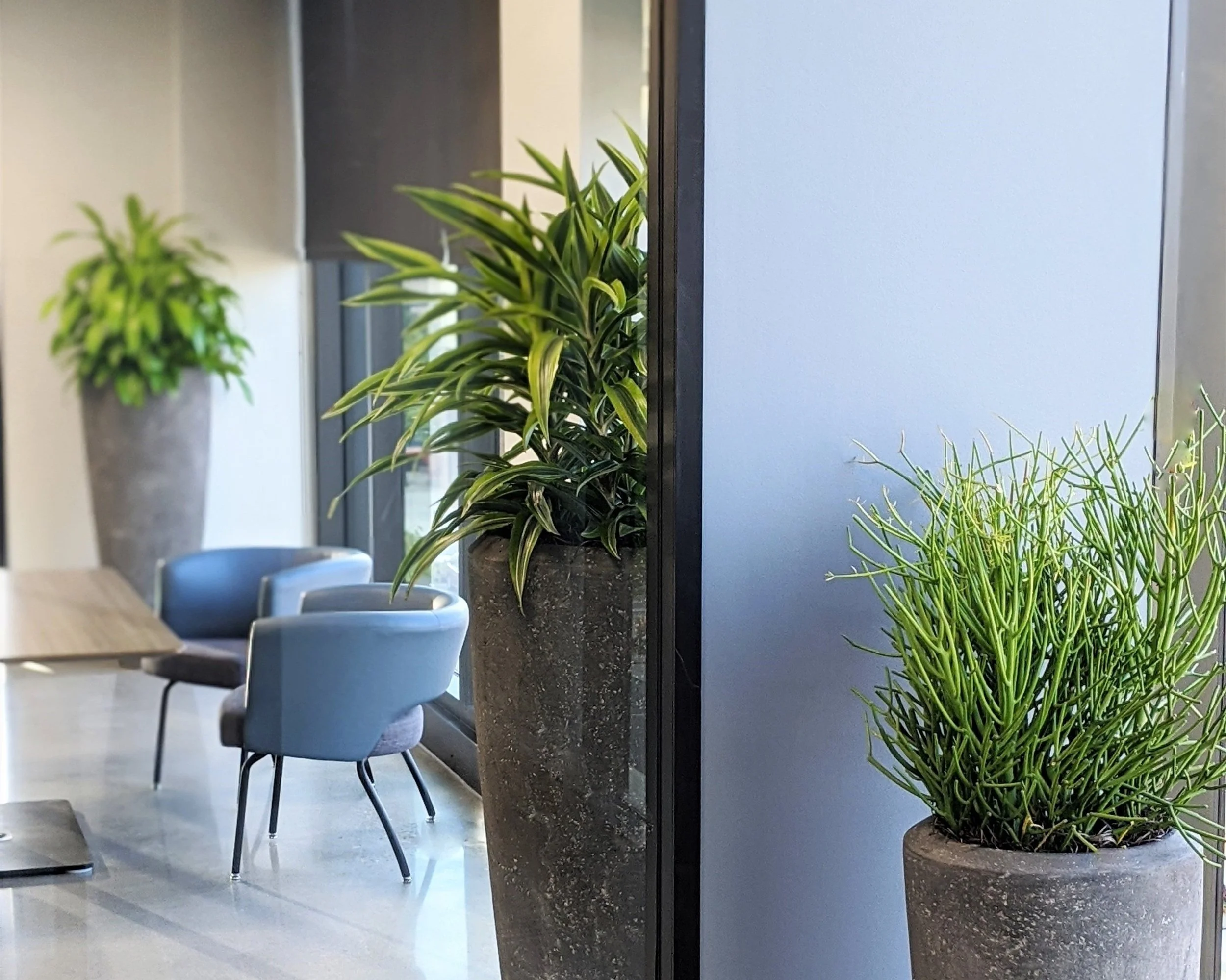
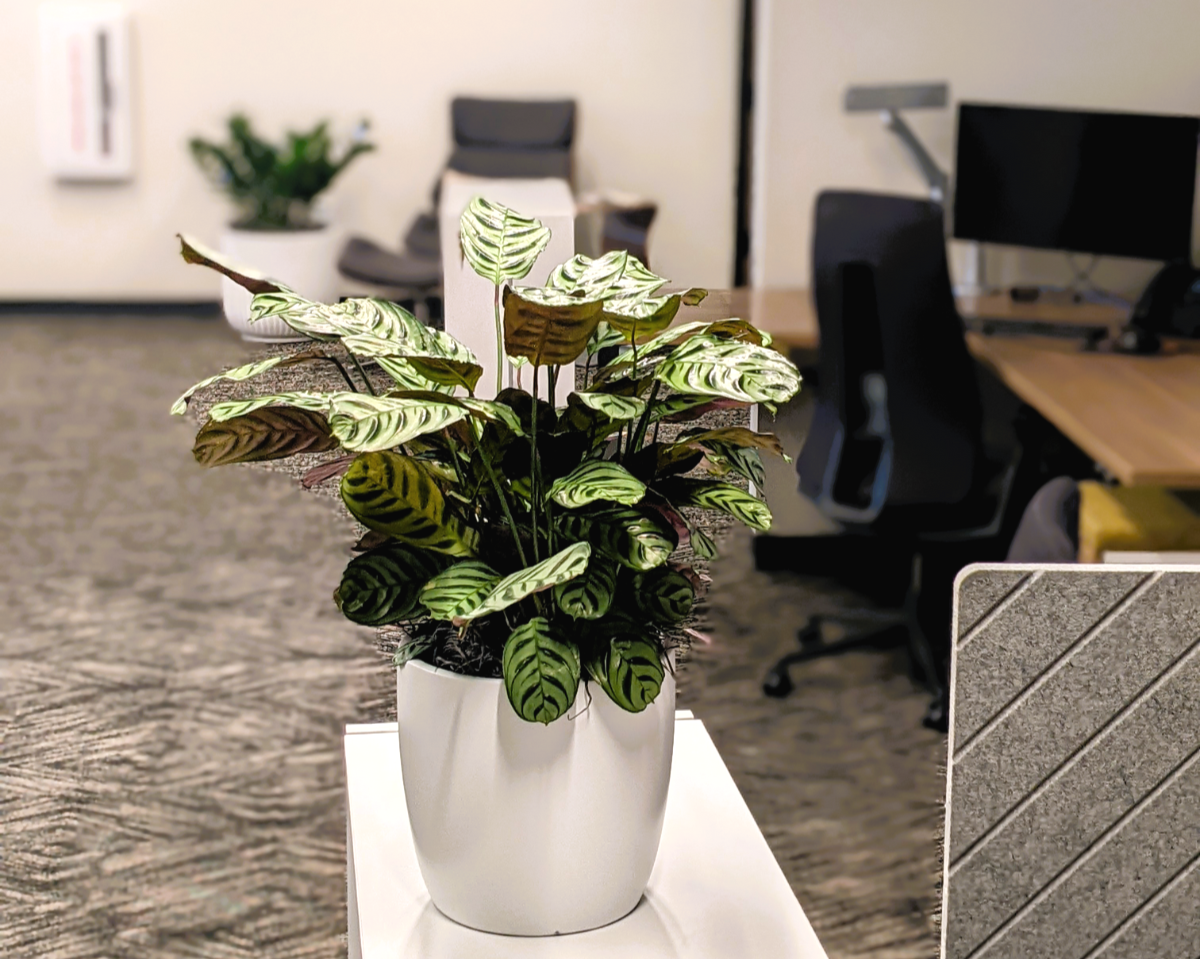
Plants bring nature into all the working hours, not just on lunch breaks. Greenery within view of workstations gives the brain a chance to automatically refresh, without an app or a training session. In winter, when the the world looks lifeless and cold, lush indoor plants keep spaces (and people) feeling alive and vibrant.
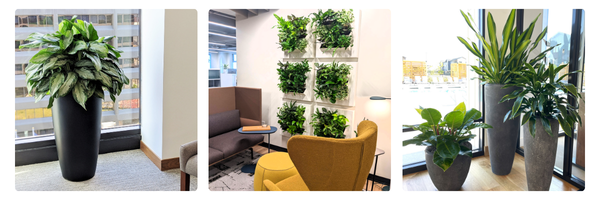
Now, let’s talk about your ‘Wellness Room’. Is it really bringing on the wellness vibes? How about your collaboration spaces or ‘Huddle Zones’. Again, if people aren’t organically using these areas, then it’s not created as people-centric.
Think About Specific Areas
For a Wellness Room that actually reduces stress: make sure the plants in it are healthy. If there are no windows for plants to thrive, try moss walls. Botanical elements will make it a space people will actually seek out for mental health breaks.
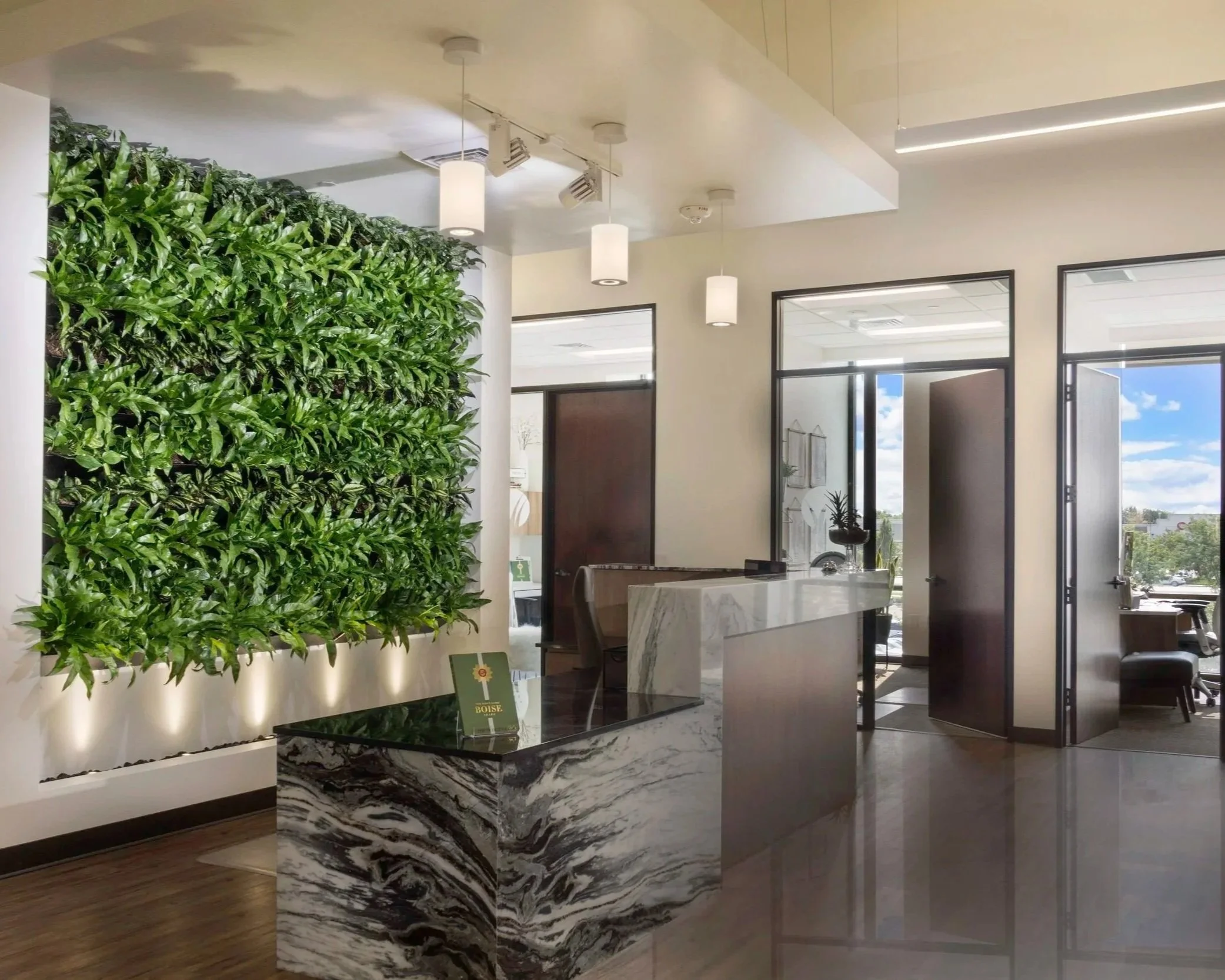
To foster impromptu collaboration: add groupings of plants, which, unlike those lifeless partitions, create privacy without isolation. Or add a Plant Wall. Ever wonder why a living wall works like a magnet, drawing you in as soon as your eyes see it? People gather by plant walls because (get this) they’d rather stand near something alive than another inanimate surface.
All of these ideas should be layered into your workspace with a mix of both communal space for connection, and quieter zones for focus and creativity. (Real creativity. You might remember it as ‘original thoughts,’ the kind that comes from a person, not a chatbot.)
“A workplace that commits to supporting their employees ...is deeply human.”
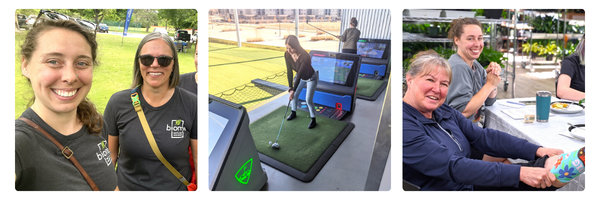
One more idea that is part-office-design and part-people-design: remember to appreciate humans and their humanness. Recognize birthdays, work anniversaries and milestones. Don’t miss the chance to revel in the seasons with indoor blooms, holiday décor and outdoor containers that welcome staff throughout the year. Incorporate team building events or time-off for local festivals. These are the things that say time matters here, and life is worth celebrating.
AI will keep optimizing work. The problem (or risk?) is companies forgetting that people don’t stay because systems are efficient. They stay because places feel stable, intentional, and human. Admin and HR gets it. They see how people move, gather, pause, and recharge, long before the C-Suite recognizes that the work environment is causing them to lose integral talent.
A human-centric design that allows people to connect to nature, and to each other, is the counterweight to the dehumanizing effects of artificial intelligence. A workplace that commits to supporting their employees sense of community, comfort, and care is deeply human. It’s the one thing AI can’t automate.